
This will depend on your electric vehicles charging capabilities and the electrical supply you have (single or 3 Phase). Most homes in Australia have a single phase 230V supply with very few having 3 Phase. To determine this, look inside your switchboard and if your main switch has 1 switch (single pole) it is single phase 230V, if it has three switches (three pole) it is three phase 400V
If you have single phase you would install a 7kW EV Charger
If you have three phase you can install a 7-22kW EV charger
You may have a three phase supply but your EV may only charge at 7kW, paying the extra for a 11-22kW EV charger would be pointless unless you plan on upgrading your vehicle at a later date.
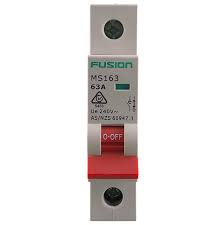
Single Phase
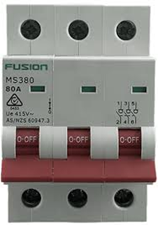
Three Phase
Our homes are becoming energy-hungry with the installation of air conditioners and with some houses having multiple ovens, living areas and fridges. We generally also have bigger homes now, with adult children staying home longer into their twenties using electricity like it’s free. Purchasing an EV charger with built-in load management that monitors your power demands and either turns down the charger or places it in standby mode when you electrical demand is high. Once your electrical demand is reduced your EV charger will ramp back up to 100% and start charging your EV again. This type of charger is referred to as a “Smart Charger”.
If you’re on a budget or can manage your electrical demand and charging times yourself, a regular charger with no bells and whistles will be fine for charging your EV. These are simple plug-and-charge chargers and are referred to as ” Dumb Chargers” as they don’t have the ability to load manage or have other smart features.